In a typical 12 sqm HDB BTO living room, every centimetre counts — especially when a Scandinavian coffee table takes up prime real estate. Condo layouts, with their 18 sqm living spaces, offer more breathing room, but even there, homeowners often find themselves weighing aesthetics against practicality. The difference isn’t just in square footage; it’s in how that space gets used daily.
HDB flats demand furniture that pulls double duty. A minimalist oak coffee table might look stunning, but if it doesn’t offer storage — drawers for remotes, shelves for magazines — it’s just dead space. In many homes, that sleek design quickly gets buried under clutter, defeating its purpose. Scandinavian tables with integrated storage, like those from IKEA or Castlery, often fare better here. They keep the clean lines but add functionality, blending seamlessly into the tight quarters.
Condo layouts, while more generous, still favour multifunctional designs. The extra space doesn’t mean homeowners can afford to waste it; instead, it allows for more intentional furniture placement. A larger coffee table might serve as a centrepiece, but it’s still expected to earn its keep — whether as a workspace for a laptop or a surface for board games during gatherings. The Scandinavian aesthetic, with its focus on functional minimalism, fits well in these spaces, but the emphasis shifts slightly from pure utility to a balance of form and function.
What’s clear is that in both HDBs and condos, storage-integrated designs win out. A table that looks good but doesn’t serve a purpose quickly becomes a frustration, especially in Singapore’s compact living spaces. The challenge lies in finding pieces that marry Scandinavian design principles with the realities of local homes — something that’s easier said than done.
In Singapore’s 80% humidity, a solid beech coffee table will outlast MDF by years — warping isn’t just an eyesore, it’s a structural headache. Oil-finished oak, meanwhile, resists mold better than lacquered surfaces, which can trap moisture and lead to unsightly patches. It’s not just about aesthetics; it’s practicality in a climate that doesn’t forgive shortcuts.
Condensation on glass tops is a daily nuisance, demanding constant wiping to avoid water stains. For homeowners in BTO flats or condos, where space is tight and maintenance time is precious, glass becomes more trouble than it’s worth. Solid wood, finished with natural oils, requires far less upkeep and ages gracefully even in high humidity.
Beech and oak aren’t just durable — they’re also staples of Scandinavian design, offering light tones that complement neutral palettes. In a 12 sqm living room, these materials keep the space feeling airy and cohesive, avoiding the heaviness of darker woods or synthetic finishes. They’re functional minimalism at its best, marrying form with resilience.
That said, not all wood is created equal. Rubberwood, often marketed as eco-friendly, tends to swell in Singapore’s humidity — a gamble for long-term use. Beech and oak, while pricier, are investments that pay off in durability and aesthetics. For design-conscious homeowners, it’s about choosing materials that align with both lifestyle and climate.
In compact 400 sqft flats, sharp corners pose real risks for hyperactive pets like corgis. Rounded edges on Scandinavian coffee tables reduce collision injuries — a practical consideration for owners of energetic dogs. The minimalist design ethos aligns with safety; fewer protruding elements mean fewer hazards. Many Singaporean pet owners prioritise this feature when selecting furniture for their HDB flats. It’s a subtle but crucial detail that blends form and function seamlessly.
Cats and their claws demand durable surfaces — melamine coatings outperform softer woods like pine. Scandinavian coffee tables often feature scratch-resistant finishes, ideal for feline-friendly homes. These materials maintain their aesthetic appeal even after years of use, a key selling point for design-conscious buyers. In Singapore’s humid climate, melamine also resists warping better than untreated wood. It’s a practical choice for homeowners who want both style and longevity.
Scandinavian coffee tables excel in maximising utility without cluttering small spaces. Their compact, functional designs suit the tight layouts of BTO flats and condos. Many models include built-in storage for pet toys or magazines, keeping living areas tidy. The clean lines and light wood tones visually expand the room, a trick many Singaporean homeowners appreciate. It’s furniture that works as hard as its owners do.
Scandinavian coffee tables complement the hygge aesthetic popular in Singaporean homes. Their muted colour palettes — whites, soft greys, and light wood tones — create a calming atmosphere. This design philosophy extends to pet-friendly features, ensuring safety doesn’t compromise style. The seamless integration of practical elements like rounded edges enhances the overall look. It’s a thoughtful approach that resonates with Pinterest-inspired shoppers.
Scandinavian furniture often uses materials like oak, ash, and beech, chosen for durability and lightness. These woods pair well with melamine finishes, offering a balance of natural beauty and practicality. The combination is particularly suited to homes with pets, where both aesthetics and resilience matter. In Singapore’s market, these materials are increasingly popular for their versatility. They represent a smart investment for homeowners looking to future-proof their interiors.
The laser measure beeps twice—once for the wall, once for the sofa arm—confirming what every HDB dweller already knows: that 210cm clearance looks generous on paper until you account for door swings and errant slippers. Megafurniture’s Tampines showroom staff keep spare BTO floor plans behind the counter, but regulars know to bring their own marked-up copies; the 2026 iterations shave centimetres off corridors to squeeze in an extra wet kitchen. Test-drive manoeuvres around a coffee table with a takeaway bag in one hand—real-world clearance differs from showroom pacing. Scandinavian designs often trade bulk for tapered legs, but that’s cold comfort when your shin meets solid oak at 2am. Their Joo Seng branch stocks modular sofas with 5cm adjustability, though most buyers opt to trim the side table instead. Odd corners reveal themselves post-move. One couple discovered their pre-war flat’s load-bearing column ate 12cm of their Malm-inspired bed frame; the solution involved flipping the layout and sacrificing a nightstand. Laser measures don’t lie, but they can’t account for the way humidity swells drawer runners by August. The checklist lives on phones as a shared note: measure twice during daylight savings time, verify electrical socket offsets, leave 40cm walkways where the robot vacuum turns. What gets overlooked? The humble curtain rail—Scandinavian low-profile designs demand precise alignment to avoid grazing the sheers. Megafurniture’s team recommends booking slots after 3pm when the school rush clears. Their
come with printable templates, though seasoned buyers know to test with a yoga mat first. Nothing teaches spatial awareness like trying to wedge a laundry basket past an ill-placed pouf.
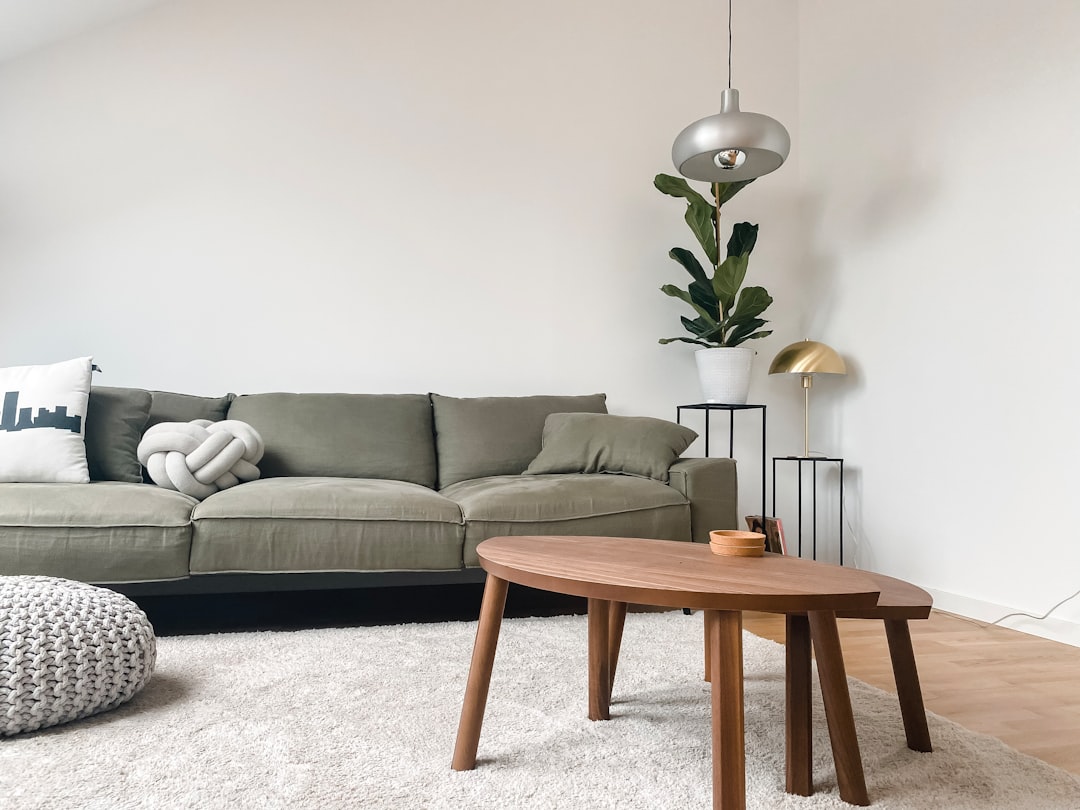
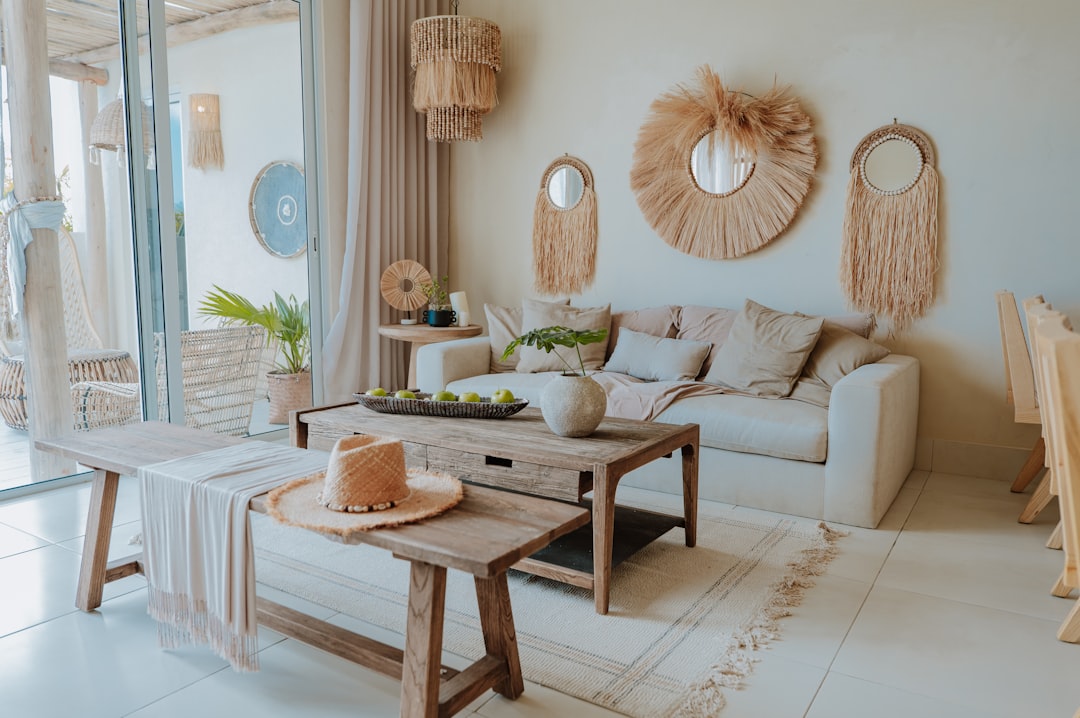

Picture this: you’ve found the perfect Scandinavian coffee table — light oak, clean lines, just the right size for your 4-room BTO living room. Then delivery day arrives, and the 180cm crate won’t fit through the HDB lift. Suddenly, you’re stuck coordinating a manual haul up 12 flights of stairs, wondering if the table’s worth the sweat. It’s a common headache, especially in older estates with narrow lifts and tight stairwells — a scenario that’s sent many buyers scrambling for Plan B.
Pre-checking dimensions is key. Most HDB lifts max out at around 160cm in height, and stairwells can be even trickier with sharp turns and low ceilings. Flat-pack options, like the Norden table, sidestep these issues entirely; they’re designed to fit into compact spaces, then assembled at home without fuss. It’s a practical solution for Singapore’s urban living constraints, where even the most stylish furniture needs to navigate tight corridors and lifts.
Delivery mishaps don’t end at the doorstep, though. Some buyers forget to measure their front door width or hallway clearance, only to discover their new table won’t make it past the entryway. In many homes, especially those with built-in shoe cabinets or narrow passageways, even a slim-profile piece can become a logistical nightmare. Always double-check these measurements before confirming your order — it’s cheaper than hiring a mover to disassemble and reassemble your furniture.
For Scandinavian design enthusiasts, the allure of light wood tones and minimalist lines often overshadows practical considerations. But in Singapore’s space-conscious context, functionality trumps form every time. Flat-pack designs not only ease delivery woes but also simplify future moves — a boon for homeowners who might upgrade to a condo or downsize to a 3-room flat down the line.
The white marble coffee table looks pristine in the flatlay — until the first kopi spill leaves a faint brown halo that no baking soda paste can fully lift. Ceramic tops fare no better; hairline cracks often appear within months along the East-West Line corridor, where MRT vibrations travel through concrete floors into furniture legs.
Textured oak hides wear better than most materials — water rings blend into the grain, and minor scratches add character rather than scream neglect. Composite stone (quartz or sintered surfaces) resists both stains and microfractures, though the veined patterns rarely mimic real marble convincingly. Buyers drawn to light colours should test samples with teh tarik drips before committing.
Singaporean humidity warps untreated wood within a season, yet many Scandinavian-style tables arrive with only a thin wax finish. Locally treated rubberwood or kiln-dried oak withstands the climate better, though even these develop slight wobbles after years on uneven HDB tiles. The Instagram-perfect tables are usually fresh from assembly — reality means accepting some warping as the plywood layers adjust.
Mid-range options from Castlery and FortyTwo use laminated particleboard cores with real wood veneers, a compromise that keeps prices around $800–$1,500 while surviving condo life. Solid teak would last decades, but at $3k upwards, it’s a stretch for first-time BTO buyers.
Hairline cracks in ceramic often start near load points — the spot where someone inevitably rests their feet during Netflix binges.
Can fit 45cm table in 3m walkway?
Yes, but only if you’re working with at least 60cm clearance on either side — that’s the minimum needed to avoid shin bruises when squeezing past during family movie nights. Most Scandinavian coffee tables hover around 40–50cm tall; anything lower forces awkward knee bends when reaching for remotes.
Best for Yishun west sun fading?
UV-coated ash holds up better than untreated oak in Singapore’s afternoon glare — the kind that bleaches IKEA Lack tables beige within two seasons. FortyTwo’s tempered glass tops diffuse light without yellowing, though they show fingerprints faster than matte finishes.
Sturdy with toddler climbing?
Look for base weights over 30kg or rubberwood legs bolted through the tabletop — anything lighter tips when a three-year-old uses it as a step stool. Castlery’s low-profile designs pass the wobble test, but their sharp corners need silicone bumpers.
Rubberwood’s the practical choice for HDB dwellers who want the Scandinavian look without refinishing veneers every monsoon season. It’s harder to stain than teak, though — one spilled kopi session leaves a dark ring unless wiped within minutes.
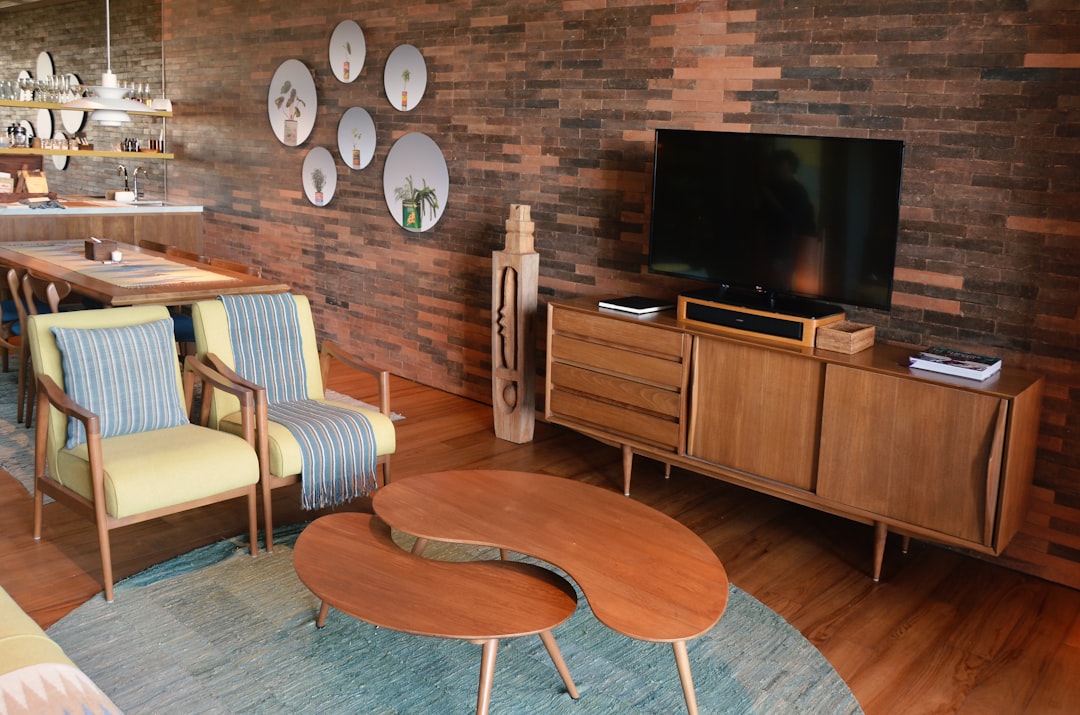
Masking tape on the floor might feel like a temporary fix, but it’s the closest you’ll get to living with a table before committing. Start by marking the proposed position — centre it between the sofa and TV console, leaving around 60cm clearance for movement. In most BTO flats, this means avoiding the narrow corridor to the kitchen or the path to the balcony sliding doors.
Live with the tape for three days. Watch how it interacts with daily routines — does it block the airflow from the AC unit near the window? Is it in the way when you’re hauling wet market bags from the front door to the kitchen? These are the moments that reveal whether a table’s placement works or frustrates. Adjust the tape incrementally — even 10cm can make a difference in tight spaces.
Consider the table’s footprint too. A round oak table from IKEA might look perfect on paper, but its legs could snag on the edge of the rug. Or that rectangular ash piece from Castlery might jut into the walkway just enough to catch your shin every morning. Small condos don’t forgive poor planning, and neither will your bruised knees.
By day three, you’ll know if the position feels natural or forced. If it’s the latter, rethink the table’s size or shape — a smaller option from FortyTwo or a slimline design from Commune might suit better. The goal isn’t just to fit furniture into a room; it’s to create a space that flows effortlessly, even when you’re juggling groceries or dodging kids’ toys.
Position your Scandinavian coffee table centrally to maintain balance in small condos. Ensure it aligns with seating for easy access without overcrowding the space. Opt for sleek, low-profile designs to enhance openness and flow.
Integrate your coffee table with other Scandinavian furniture for seamless functionality. Use it as a focal point to connect seating areas while keeping pathways clear. Choose multifunctional designs to maximize utility in limited spaces.
Select light-colored or natural wood coffee tables to reflect Scandinavian aesthetics. These materials brighten the room and create a sense of spaciousness. Pair with soft textiles to maintain a cozy yet uncluttered feel.
Opt for round or oval coffee tables to reduce sharp edges in compact condos. These shapes promote smoother movement and a harmonious flow. They also soften the overall look of the living area.
Scandinavian coffee table material sourcing: what to consider